Introduction
Printing remains one of the most important technologies in the modern world. Despite the rise of digital media, printed materials continue to play a crucial role in business communication, education, marketing, packaging, publishing, and personal use. From books and newspapers to business cards and product labels, printing helps organizations and individuals communicate effectively and leave a lasting impression.
Over the years, printing technology has evolved significantly. Traditional printing methods have been replaced or enhanced by advanced digital solutions that offer greater speed, quality, customization, and cost efficiency. Today, businesses can produce high-quality printed materials on demand, while consumers enjoy personalized products tailored to their preferences.
This article explores the importance of printing, its evolution, major printing methods, benefits, challenges, and future trends shaping the industry.
The Evolution of Printing
The history of printing dates back thousands of years. Early civilizations used woodblock printing to reproduce texts and images. However, the most significant breakthrough came in the 15th century when Johannes Gutenberg introduced the movable-type printing press. This invention revolutionized the spread of knowledge by making books more accessible and affordable.
During the Industrial Revolution, printing technology advanced rapidly. Mechanical presses increased production speed, enabling mass publication of newspapers, magazines, and books. In the late 20th century, digital printing emerged as a game-changing innovation, allowing faster production and customization without the need for traditional printing plates.
Today, modern printing combines advanced software, automation, and high-resolution equipment to deliver exceptional results across various industries.
Types of Printing Technologies
1. Digital Printing
Digital printing is one of the most widely used printing methods today. It involves transferring digital files directly onto printing materials without the need for plates.
Advantages of Digital Printing:
- Fast turnaround times
- Cost-effective for small print runs
- Easy customization and personalization
- High-quality output
- Reduced waste
Digital printing is commonly used for brochures, flyers, posters, business cards, and personalized marketing materials.

2. Offset Printing
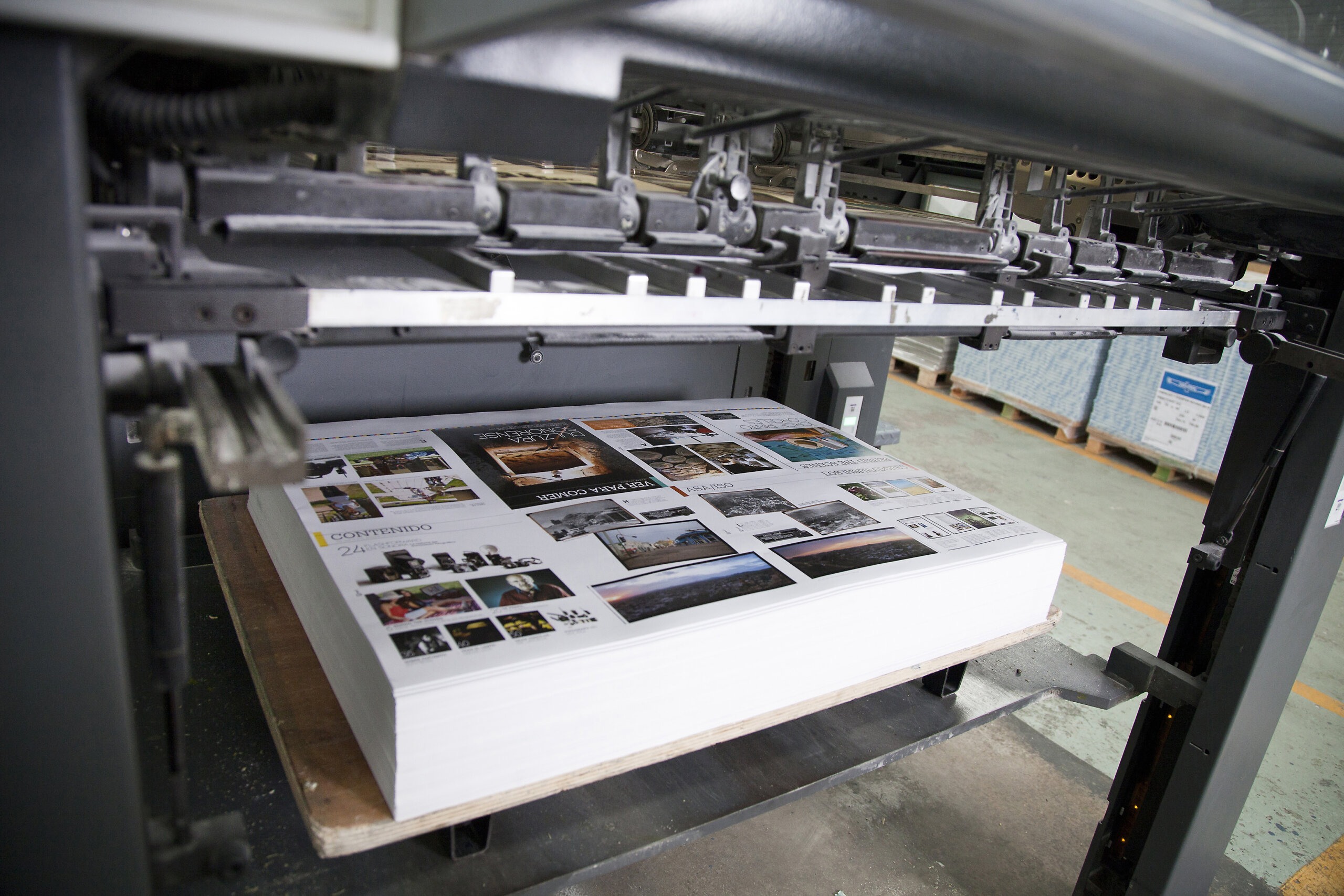
Offset printing remains the preferred choice for large-volume printing projects. The process transfers ink from a plate to a rubber blanket before applying it to paper.
Advantages of Offset Printing:
- Superior image quality
- Lower cost for high-volume production
- Consistent color reproduction
- Wide range of paper options
Offset printing is ideal for magazines, newspapers, books, catalogs, and corporate publications.
3. Screen Printing
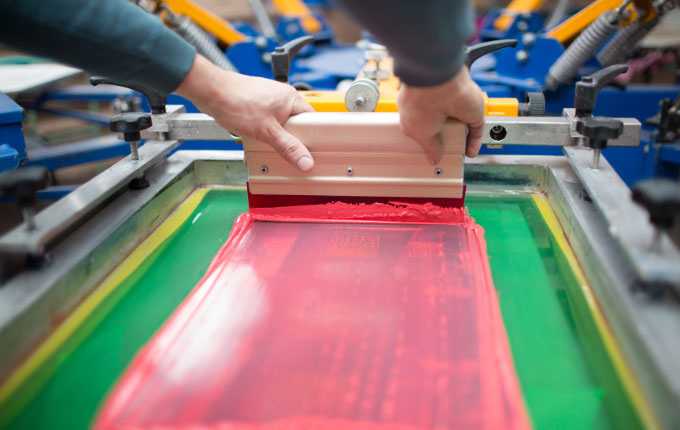
Screen printing uses a mesh screen to transfer ink onto various surfaces. It is commonly used for textiles, promotional products, and signage.
Benefits of Screen Printing:
- Vibrant colors
- Durable prints
- Suitable for different materials
- Cost-effective for bulk orders
4. 3D Printing
One of the most revolutionary developments in recent years is 3D printing. Unlike traditional printing, which creates images on flat surfaces, 3D printing builds physical objects layer by layer.
Industries using 3D printing include:
- Healthcare
- Manufacturing
- Automotive
- Aerospace
- Construction
This technology enables rapid prototyping, product development, and customized production.
Importance of Printing in Business
Printing remains a powerful business tool despite digital transformation. Companies rely on printed materials to strengthen branding, improve communication, and increase customer engagement.
Marketing and Advertising
Printed marketing materials such as brochures, flyers, banners, and posters continue to generate strong results. Studies have shown that physical marketing materials often leave a stronger impression than digital advertisements because customers can physically interact with them.
Brand Identity
Professional printing helps businesses create a consistent brand image. High-quality business cards, packaging, and promotional materials enhance credibility and build customer trust.
Product Packaging
Packaging is one of the most important applications of printing. Attractive packaging not only protects products but also influences purchasing decisions. Well-designed printed packaging can help brands stand out in competitive markets.
Printing in Education
Printing plays a vital role in education by providing students and teachers with accessible learning resources. Textbooks, workbooks, worksheets, and educational posters remain essential tools in classrooms worldwide.
Research suggests that many students retain information better when reading printed materials compared to digital screens. Printed resources reduce distractions and improve concentration, making them valuable for effective learning.
Educational institutions also use printing for certificates, examination papers, reports, and administrative documents.
Environmental Impact of Printing
One of the major concerns associated with printing is its environmental impact. The industry consumes paper, ink, energy, and other resources that can contribute to waste and pollution.
However, many printing companies are adopting sustainable practices, including:
- Using recycled paper
- Implementing eco-friendly inks
- Reducing energy consumption
- Minimizing waste through digital workflows
- Encouraging responsible recycling
Sustainable printing solutions help organizations reduce their environmental footprint while maintaining high-quality output.
Benefits of Modern Printing Technology
Modern printing technology offers numerous advantages that make it an essential part of today’s business environment.
High Quality
Advanced printers can produce sharp text, vibrant colors, and detailed images that meet professional standards.
Speed and Efficiency
Modern printing systems can handle large volumes quickly, helping businesses meet tight deadlines.
Customization
Variable data printing enables personalized marketing campaigns by printing unique names, messages, and images for different customers.
Cost Savings
Digital printing reduces setup costs and allows businesses to print only what they need, minimizing waste and inventory expenses.
Versatility
Printing can be applied to various materials, including paper, fabric, plastic, metal, glass, and wood.
Challenges Facing the Printing Industry
Although printing remains important, the industry faces several challenges.
Digital Competition
The growth of digital media has reduced demand for certain printed products, particularly newspapers and magazines.
Rising Material Costs
Paper, ink, and energy costs continue to fluctuate, affecting profitability for printing businesses.
Environmental Regulations
Increasing environmental awareness requires printers to adopt greener technologies and sustainable practices.
Rapid Technological Change
Printing companies must continuously invest in new equipment and training to remain competitive.
Future Trends in Printing
The future of printing looks promising as technology continues to evolve.
Artificial Intelligence Integration
AI-powered systems are improving workflow automation, quality control, and production efficiency.
Smart Packaging
Printed packaging is becoming more interactive through QR codes, augmented reality features, and personalized experiences.
Sustainable Printing
Eco-friendly materials and energy-efficient equipment will play a growing role in reducing environmental impact.
Growth of 3D Printing
3D printing is expected to transform manufacturing by enabling faster, more flexible, and cost-effective production methods.
Personalized Printing
Demand for customized products will continue to increase, driving innovation in digital printing technologies.
Conclusion
Printing remains an indispensable part of modern society. From education and business marketing to packaging and manufacturing, printing continues to support communication, creativity, and innovation. Advances in digital printing, automation, sustainability, and 3D technology are transforming the industry and creating new opportunities for businesses worldwide.
While digital media has changed how people consume information, printed materials still offer unique advantages that cannot be fully replicated online. As technology advances, the printing industry will continue to evolve, combining traditional strengths with modern innovations to meet the changing needs of consumers and organizations. Businesses that embrace these developments will be better positioned to thrive in an increasingly competitive and connected world.